

Understanding High Ticket Remote Closing Jobs in Today’s Digital Sales Landscape
High ticket remote closing jobs refer to sales positions where professionals close premium deals entirely online or over the phone without being physically present with clients. These roles focus on selling high-value products or services, often ranging from $2,000 to $50,000 or more per sale. Businesses rely on remote closers because digital sales systems now dominate industries like coaching, consulting, SaaS, and online education. The core function of this role is to guide potential buyers through a structured conversation that leads to a confident purchasing decision. Unlike traditional retail or transactional sales, these positions require deeper communication and emotional intelligence. The demand for high ticket remote closing jobs continues to rise as companies expand globally and move toward virtual operations. This makes it one of the most attractive modern career paths for individuals seeking remote income opportunities.
Remote closing is not just about convincing someone to buy something, but about understanding human behavior and aligning solutions with real needs. The sales process is usually built on pre-qualified leads who have already shown interest in a product or service. This means the closer steps in at a critical decision-making point. Businesses invest heavily in marketing funnels to ensure these leads are warm and ready for conversation. As a result, the closer plays a key role in converting interest into revenue. This structured ecosystem makes the job both strategic and performance-driven. For many professionals, high ticket remote closing jobs offer a balance between independence and income potential.
What High Ticket Remote Closing Jobs Actually Involve
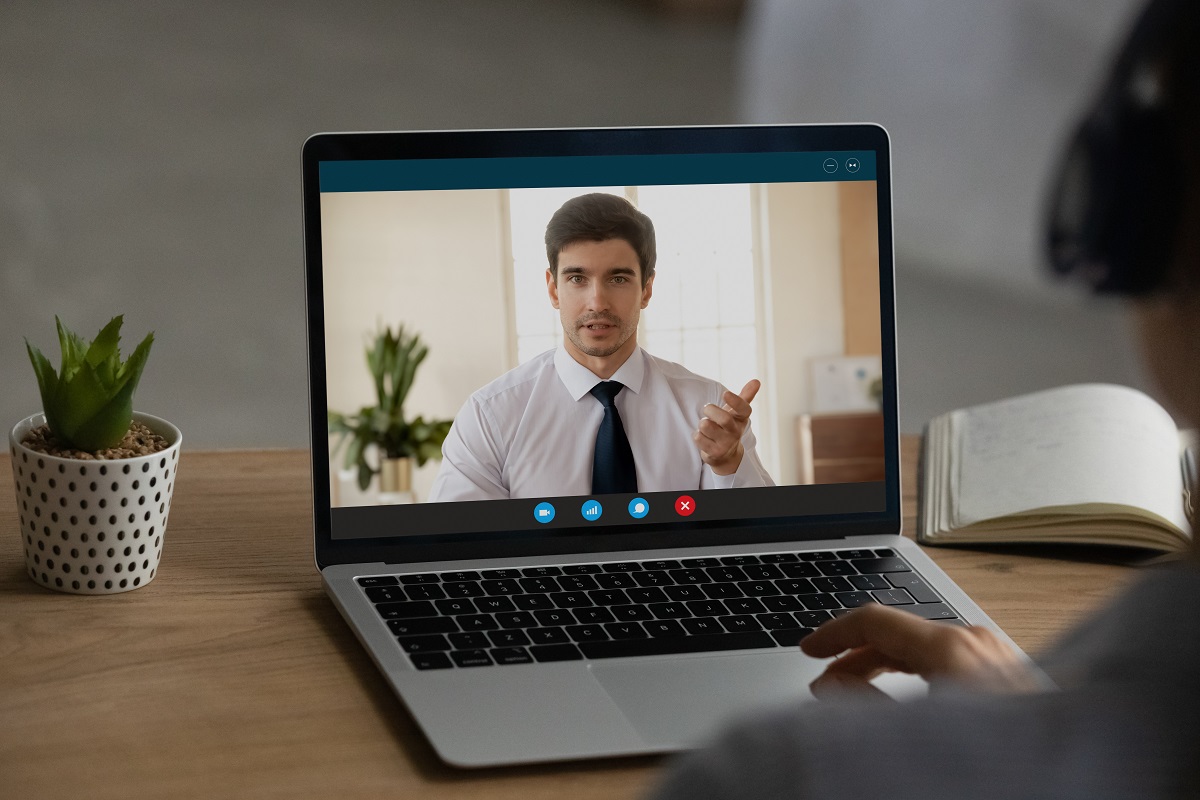
High ticket remote closing jobs revolve around direct sales conversations with qualified prospects who are considering a premium offer. These conversations typically happen over Zoom, phone calls, or video conferencing platforms. The closer’s job is to identify the client’s goals, challenges, and motivations before recommending a solution. Instead of pushing products, the focus is on guiding decision-making through value-based communication. This requires active listening and the ability to adapt in real time. Each conversation can last anywhere from 20 minutes to over an hour depending on complexity.
A closer is not responsible for generating leads but instead works with warm prospects provided by appointment setters or marketing systems. This separation allows the closer to focus entirely on conversion. High ticket remote closing jobs also involve tracking performance metrics such as close rate, revenue generated, and call volume. Many companies operate on commission-based compensation structures, meaning income is directly tied to performance. This creates both opportunity and responsibility for the closer. Strong discipline and consistency are essential to succeed in this environment. Every interaction can significantly impact earnings and long-term career growth.
The Evolution of Remote Sales and High Ticket Offers
The rise of high ticket remote closing jobs is closely tied to the growth of online businesses and digital marketing systems. In earlier decades, sales required in-person meetings and physical presence, limiting scalability. However, the internet transformed how businesses operate, allowing companies to sell globally through virtual platforms. This shift created demand for professionals who could handle sales conversations remotely. High ticket offers became more common as entrepreneurs developed premium coaching programs, software solutions, and consulting services.
Digital funnels now automate much of the lead generation process, making remote closing a specialized skill. Businesses can attract thousands of potential customers through ads, webinars, and content marketing. Once leads are captured, closers step in to finalize deals. This evolution has made sales more systemized and performance-oriented. High ticket remote closing jobs thrive in this ecosystem because they bridge human connection with digital automation. The role continues to evolve as technology improves and global competition increases.
Core Responsibilities of a High Ticket Remote Closer
A professional in high ticket remote closing jobs carries several key responsibilities that directly impact revenue generation. The primary responsibility is conducting discovery calls with qualified leads. These calls focus on understanding the prospect’s situation and determining whether the offer is the right fit. The closer must build trust quickly and establish authority without being aggressive. Another responsibility includes presenting the offer in a clear and compelling way. This involves explaining value rather than listing features.
Closers also handle objections such as pricing concerns, timing issues, or uncertainty about results. These objections must be addressed with empathy and clarity. After the conversation, follow-ups may be necessary to support decision-making. Many closers maintain detailed notes in CRM systems to track each lead’s journey. Performance review is also part of the role, where results are analyzed to improve conversion rates. Strong communication and emotional awareness are essential at every stage. Success depends on consistency and the ability to refine approach over time.
Skills Required to Succeed in High Ticket Remote Closing Jobs
High ticket remote closing jobs require a combination of communication, psychology, and business skills. One of the most important skills is persuasive communication, which allows closers to influence decisions ethically. Emotional intelligence is equally important because every buyer has unique motivations and concerns. Active listening helps uncover hidden objections that may not be directly stated. Confidence in presenting value is essential when dealing with high-investment decisions.
Other important skills include:
-
Understanding buyer psychology and decision-making patterns
-
Handling objections with clarity and composure
-
Building rapport quickly in virtual environments
-
Managing time efficiently during back-to-back calls
-
Maintaining motivation without direct supervision
-
Adapting communication style to different personality types
These skills are not always innate but can be developed through training and practice. Many successful closers invest heavily in skill development before achieving consistent results. High ticket remote closing jobs reward those who continuously improve their craft. Over time, these skills become transferable to other areas of business and leadership.
How High Ticket Remote Closing Jobs Work in Real Business Settings
In real business environments, high ticket remote closing jobs are part of a structured sales ecosystem. Marketing teams generate leads through ads, funnels, and content strategies. Appointment setters then qualify and schedule calls with interested prospects. The closer enters at the final stage of the process to convert these leads into paying clients. This system ensures efficiency and higher conversion rates.
Most companies use CRM platforms to manage leads and track communication history. Sales calls are typically scheduled in advance, allowing preparation time before each conversation. Compensation is often commission-based, meaning income depends on closed deals. Some companies also offer base pay plus commission structures. Team collaboration is important because setters, closers, and managers must work together. Performance tracking is continuous, ensuring accountability and improvement. This structured system is what makes high ticket remote closing jobs scalable and attractive to businesses.
Industries Hiring High Ticket Remote Closers
Several industries actively hire professionals for high ticket remote closing jobs due to the premium nature of their offerings. Online coaching and consulting businesses are among the largest employers in this space. These companies sell programs focused on business growth, fitness, relationships, or mindset development. Digital marketing agencies also rely on closers to sell high-value service packages. SaaS companies use remote closers for enterprise-level software subscriptions.
Other industries include:
-
Online education and certification programs
-
Real estate investment education companies
-
Financial coaching and wealth-building programs
-
Fitness and transformation coaching services
-
High-end personal development mentorship platforms
Each industry requires slightly different sales approaches, but the core principles remain consistent. High ticket remote closing jobs are versatile because they can be applied across multiple niches. This makes the skill set highly transferable and valuable in the global digital economy.
Earnings Potential in High Ticket Remote Closing Jobs
Earnings in high ticket remote closing jobs vary widely depending on performance, experience, and industry. Beginners may start with modest commissions while learning the sales process. However, experienced closers can earn substantial income due to high-value transactions. Since deals often range from thousands to tens of thousands of dollars, commissions can be significant. Many closers operate on 10% to 20% commission structures.
Income factors include:
-
Number of calls handled per week
-
Close rate percentage
-
Average deal size
-
Quality of leads provided
-
Industry demand and offer pricing
Some top performers generate consistent five-figure monthly incomes through strong conversion skills. However, income is not guaranteed and depends heavily on consistency and discipline. High ticket remote closing jobs reward performance rather than hours worked. This makes the field attractive for motivated individuals seeking income scalability.
How to Get Started in High Ticket Remote Closing Jobs
Entering high ticket remote closing jobs typically begins with learning foundational sales principles. Many aspiring closers start by studying communication, persuasion, and buyer psychology. Training programs and mentorship opportunities are widely available online. These programs often include roleplay sessions and live call practice. Building experience is crucial before handling real clients.
Beginners can follow steps such as:
-
Learning basic sales frameworks and scripts
-
Practicing objection handling scenarios
-
Joining entry-level sales training programs
-
Applying for remote sales positions
-
Building confidence through simulated calls
Finding legitimate opportunities is also important because the industry has both credible companies and misleading offers. Researching companies before applying helps avoid scams. Over time, consistency leads to skill development and career progression in high ticket remote closing jobs.
Tools and Technology Used by Remote Closers
High ticket remote closing jobs rely heavily on digital tools to manage workflow and communication. CRM systems are used to track leads and monitor sales pipelines. Video conferencing tools enable real-time client conversations. Scheduling software helps organize appointments efficiently. Communication platforms support team collaboration and updates.
Closers also use:
-
Call recording software for performance review
-
Email automation tools for follow-ups
-
Script templates for structured conversations
-
Analytics dashboards for performance tracking
These tools enhance productivity and allow closers to operate efficiently from anywhere in the world. Technology plays a key role in scaling remote sales operations. Without these systems, managing high volumes of leads would be difficult.
Challenges in High Ticket Remote Closing Jobs
High ticket remote closing jobs come with challenges that require resilience and adaptability. One major challenge is handling rejection, which is a natural part of sales. Not every prospect will be ready to buy, regardless of presentation quality. Another challenge is maintaining consistency in performance, especially in commission-based roles. Remote work environments can also create distractions that impact productivity.
Additional challenges include:
-
Managing emotional pressure from performance targets
-
Dealing with inconsistent lead quality
-
Staying motivated without in-person supervision
-
Navigating complex buyer objections
-
Balancing multiple calls in a single day
Despite these challenges, many professionals find the role rewarding due to income potential and flexibility. Success depends on mindset and continuous improvement.
Frequently Asked Questions
What are high ticket remote closing jobs?
They are remote sales roles focused on closing high-value deals through online or phone-based conversations with qualified leads.
Do I need experience to start in this field?
Experience helps, but many beginners enter through training programs and entry-level sales positions.
How much can beginners earn?
Beginners may earn modest commissions at first, but income increases with experience and improved close rates.
Are these jobs legitimate?
Yes, many legitimate companies hire remote closers, especially in coaching, SaaS, and consulting industries.
What skills are most important?
Communication, emotional intelligence, active listening, and objection handling are essential for success.
Takeaway
High ticket remote closing jobs represent one of the most scalable and flexible careers in modern digital sales. They combine human communication with structured online business systems to create high-income opportunities for skilled professionals. Success in this field depends on continuous learning, strong communication skills, and consistent performance. While challenges exist, the potential for financial growth and remote freedom makes it an attractive career path for many individuals seeking independence in the digital economy.