

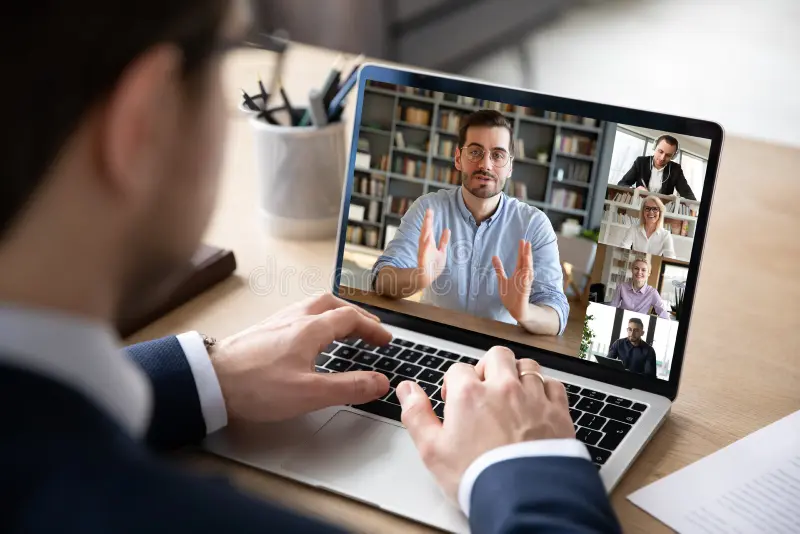
Understanding Remote Appointment Setters in Today’s Sales Ecosystem
Remote appointment setters play a critical role in modern sales organizations by acting as the first human touchpoint in the outbound and inbound sales process. They are responsible for identifying potential customers, initiating contact, qualifying interest, and scheduling meetings for closers or account executives. In today’s digital-first environment, remote appointment setters are no longer limited by geography, which allows businesses to build distributed teams across multiple countries and time zones. This shift has created a more flexible and scalable approach to sales development. Businesses increasingly rely on remote appointment setters to maintain a consistent flow of qualified leads into their pipelines.
Unlike traditional in-house appointment setting roles, remote appointment setters operate from anywhere in the world while using cloud-based communication tools. This allows companies to reduce overhead costs while still maintaining high levels of performance. Their role is deeply integrated with CRM systems, automated dialers, and email sequencing platforms. They function as a bridge between marketing-generated leads and sales closers who focus on revenue generation. As digital sales systems continue to evolve, the importance of remote appointment setters continues to grow across industries.
A key part of their function is understanding buyer intent and quickly filtering out unqualified prospects. They must be able to engage conversations effectively and guide potential customers toward scheduling a meaningful sales conversation. Remote appointment setters also contribute to improving conversion rates by ensuring only well-qualified leads reach the closing stage. This reduces wasted time for sales teams and improves overall efficiency. Their presence is now considered essential in high-performance sales operations.
The Strategic Importance of Remote Appointment Setters for Businesses
Remote appointment setters significantly influence how efficiently a company generates revenue through its sales pipeline. They act as gatekeepers who ensure that only relevant and interested prospects move forward in the sales process. Without them, sales teams often spend valuable time on unqualified leads, which reduces productivity. Businesses that utilize remote appointment setters often experience smoother pipeline flow and improved conversion ratios. Their contribution directly impacts the effectiveness of outbound and inbound sales strategies.
In many organizations, remote appointment setters also help reduce operational bottlenecks in sales departments. They take on the responsibility of initial outreach, allowing closers to focus entirely on high-value conversations. This separation of duties increases specialization within the sales team. It also leads to a more structured and predictable revenue system. As companies scale, this division becomes even more important for maintaining performance consistency.
Bullet list of strategic benefits:
-
Improved lead qualification accuracy
-
Increased sales team productivity
-
Faster pipeline movement
-
Reduced cost per acquisition
-
Higher appointment show-up rates
-
Better alignment between marketing and sales
Remote appointment setters also support businesses in building predictable revenue systems. By maintaining a steady flow of booked meetings, they help organizations forecast sales performance more accurately. This is especially important for companies operating in competitive markets such as SaaS, consulting, and financial services. Their role is not just operational but deeply strategic in shaping business growth direction.
Key Skills and Traits of High-Performing Remote Appointment Setters
High-performing remote appointment setters possess a combination of communication skills, technical ability, and emotional intelligence. Their success depends heavily on how effectively they can engage prospects in meaningful conversations. Strong verbal and written communication is essential because they often switch between calls, emails, and messaging platforms. They must also be able to adapt their tone depending on the type of prospect they are engaging with.
Time management is another critical skill because remote appointment setters often work independently without direct supervision. They must structure their day efficiently to maximize outreach volume and conversion potential. Familiarity with CRM systems and sales tools is also necessary for tracking leads and managing pipelines. Without technical fluency, it becomes difficult to maintain performance consistency in a remote environment.
Important traits include:
-
Strong persuasive communication skills
-
Emotional intelligence in handling objections
-
Self-discipline in remote work settings
-
Ability to follow structured sales scripts
-
Adaptability to different industries and markets
-
Analytical thinking for lead qualification
Remote appointment setters also need resilience because they often deal with rejection during outreach. The ability to remain motivated and consistent despite challenges is what separates average performers from top performers. Continuous learning and feedback adaptation also play a major role in long-term success.
How Remote Appointment Setters Operate in a Sales Funnel
Remote appointment setters function at the top and middle stages of the sales funnel where lead engagement and qualification take place. Their primary responsibility is to initiate contact with potential customers and determine whether they fit the ideal customer profile. Once a lead is identified as qualified, they schedule a meeting with a closer or account executive. This ensures that the sales process remains structured and efficient.
They typically use multiple outreach channels including phone calls, emails, and social media messaging. Each channel requires a different communication approach depending on the prospect’s behavior and responsiveness. Remote appointment setters also rely heavily on CRM platforms to track interactions and update lead status. This ensures that no opportunity is lost during the process.
They also manage follow-ups, which are critical in increasing appointment booking rates. Many prospects do not respond immediately, so persistence becomes a key factor. Remote appointment setters must balance persistence with professionalism to avoid overwhelming leads. Their ability to nurture interest over time plays a major role in pipeline success.
Industries That Benefit Most from Remote Appointment Setters
Remote appointment setters are used across a wide range of industries where outbound sales and lead generation are essential. SaaS companies rely heavily on them to schedule product demonstrations and sales calls. Coaching and consulting businesses also use remote appointment setters to book discovery sessions with potential clients. Real estate agencies benefit from their ability to qualify property investors and buyers.
Financial services and insurance companies depend on structured appointment setting to maintain consistent client acquisition. E-commerce brands selling high-ticket products also use them to improve conversion rates. B2B service providers benefit significantly from remote appointment setters because they help secure meetings with decision-makers. Global companies operating across multiple regions also use them to manage time zone differences efficiently.
These industries value remote appointment setters because they improve efficiency and reduce wasted sales effort. They also help businesses scale outreach without significantly increasing operational costs.
Advantages of Hiring Remote Appointment Setters
Hiring remote appointment setters provides businesses with several operational and financial advantages. One of the most significant benefits is cost efficiency compared to maintaining in-house teams. Companies can access global talent without being restricted by location. This allows them to build more diverse and skilled sales teams.
Remote appointment setters also enable businesses to operate around the clock due to time zone coverage. This ensures that leads are engaged at optimal times regardless of geography. It also increases the speed of response to incoming leads, which improves conversion rates.
Bullet list of advantages:
-
Lower operational costs
-
Access to global talent pools
-
24/7 lead engagement capability
-
Faster sales cycle execution
-
Scalable team structure
-
Improved lead conversion consistency
Another major advantage is flexibility. Businesses can scale their remote appointment setting teams up or down depending on demand. This makes it easier to adapt to market changes without long-term commitments.
Challenges Businesses Face When Using Remote Appointment Setters
Despite their advantages, remote appointment setters also present certain challenges that businesses must manage carefully. Communication gaps can occur when teams are distributed across different regions. This can lead to inconsistencies in messaging and performance. Proper training systems are required to ensure alignment across all team members.
Quality control is another challenge because not all leads may be qualified consistently. Without proper monitoring, appointment quality can decline over time. Maintaining motivation in remote environments can also be difficult without strong leadership structures. Remote appointment setters require ongoing feedback and support to maintain performance levels.
Technology integration can also pose issues when CRM systems and outreach tools are not properly aligned. Cultural differences and time zone variations may also affect communication efficiency. These challenges can be managed effectively with structured systems and clear processes.
Building an Effective Remote Appointment Setting System
Creating a strong remote appointment setting system requires careful planning and execution. Businesses must develop clear scripts and communication frameworks to ensure consistency. Sales processes should be standardized to avoid confusion among team members. Training systems are also essential for onboarding new remote appointment setters effectively.
Performance tracking plays a key role in system efficiency. Companies must define clear KPIs such as call volume, conversion rates, and appointment show-up rates. Regular reporting helps identify areas for improvement. Leadership involvement is also important for maintaining accountability.
Technology Stack Used by Remote Appointment Setters
Remote appointment setters rely heavily on technology to perform their daily tasks efficiently. CRM platforms are essential for managing leads and tracking interactions. Auto-dialers and VoIP systems help streamline outbound calling processes. Email automation tools assist in maintaining consistent outreach campaigns.
Additional tools include scheduling software, analytics dashboards, and AI-powered lead scoring systems. These technologies help improve accuracy and efficiency in the appointment setting process. Communication platforms also support collaboration among remote teams.
How Remote Appointment Setters Improve Sales Conversions
Remote appointment setters directly influence conversion rates by improving lead quality before sales calls occur. They ensure that only interested and qualified prospects are scheduled for meetings. This increases the likelihood of successful sales conversations. They also improve show-up rates by confirming appointments and following up with prospects.
Their structured approach reduces wasted time for sales teams. By filtering leads effectively, they help closers focus on high-value opportunities. This leads to faster revenue generation and improved pipeline efficiency.
Global Reach of Remote Appointment Setting Services
Remote appointment setters support businesses across global markets including the USA, UK, Canada, Australia, UAE, and Singapore. Each region presents unique sales dynamics and customer behaviors. Remote teams allow businesses to adapt outreach strategies based on regional preferences. Time zone coverage also ensures continuous lead engagement across markets.
This global approach enables companies to expand without physical limitations. It also supports multilingual and culturally adaptive sales strategies. As businesses grow internationally, remote appointment setters become a key operational asset.
How to Train and Manage Remote Appointment Setters Effectively
Training remote appointment setters requires structured onboarding programs and continuous learning systems. Role-playing exercises help improve communication skills and objection handling. Regular feedback sessions are essential for performance improvement. Managers must also monitor call quality to ensure consistency.
Motivation strategies such as incentives and performance-based rewards help maintain engagement. Strong leadership is essential for maintaining accountability in remote environments. Clear expectations and KPIs help guide performance effectively.
Metrics to Track Performance of Remote Appointment Setters
Tracking performance is essential for optimizing remote appointment setting operations. Key metrics include call volume, conversion rates, and appointment show-up rates. Lead quality scoring helps evaluate targeting accuracy. Revenue contribution per appointment is also an important metric.
Other performance indicators include cost per appointment and follow-up effectiveness. These metrics help businesses refine their outreach strategies and improve efficiency over time.
Future Trends in Remote Appointment Setting
The future of remote appointment setters is closely tied to automation and artificial intelligence. AI-driven lead qualification tools will increasingly support human appointment setters. Automation will streamline repetitive outreach tasks while enhancing personalization.
Global remote sales teams will continue to expand as businesses adopt distributed workforce models. Voice AI and predictive analytics will also play a larger role in sales operations. These advancements will make remote appointment setting more efficient and data-driven.
FAQ
Remote appointment setters are professionals who contact leads, qualify them, and schedule sales meetings for closers. They help businesses improve pipeline efficiency and increase conversion rates. Many companies use them to scale outbound sales without increasing internal overhead. They operate across multiple industries including SaaS, real estate, and financial services. Their role is essential in modern digital sales systems. Businesses across global markets rely on them for consistent lead generation. They use CRM tools and communication platforms to manage their daily tasks.
Takeaway
Remote appointment setters have become a foundational component of modern sales operations, especially for businesses aiming to scale efficiently across global markets.